What does Marina Baslina do?
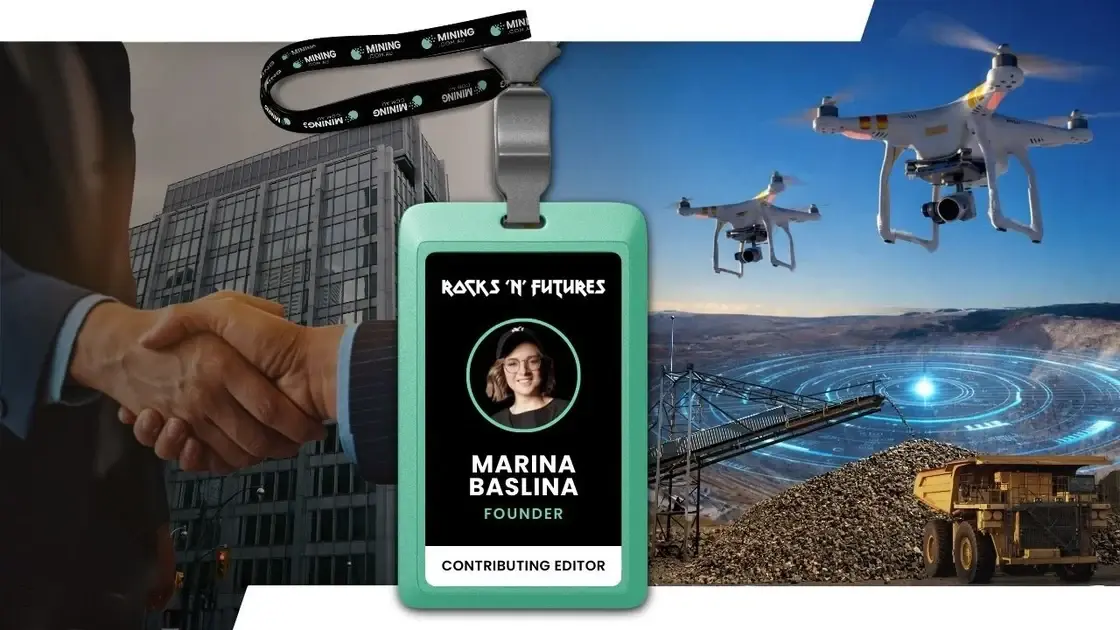
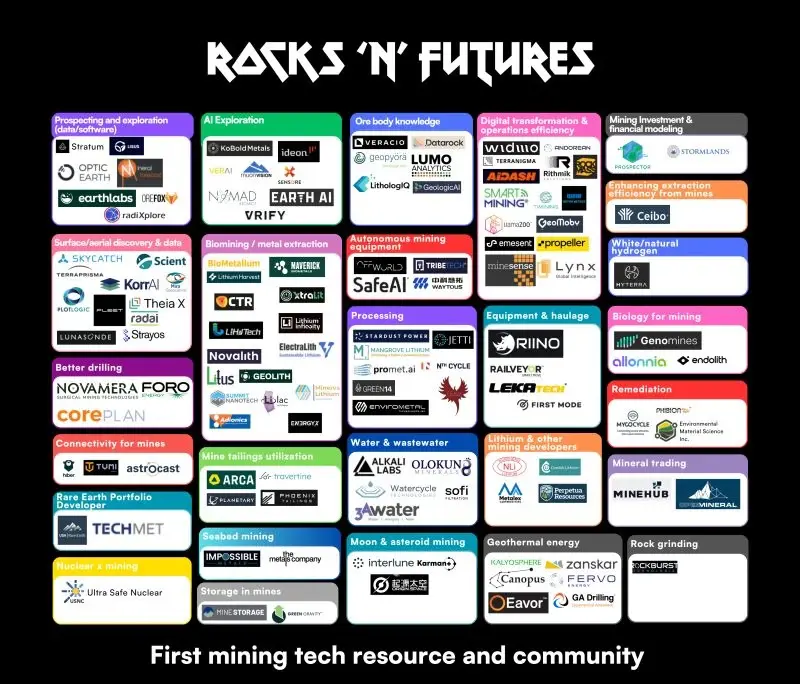
Marina Baslina runs marketing and go-to-market strategy for mining technology companies. She works as a fractional CMO through her consultancy, Baslins, helping B2B technology firms position their products, reach the people who approve budgets and build demand before the first sales call. She also founded Rocks 'n' Futures, a mining technology marketplace and intelligence platform, and produced The Mineral Exploration Tech Report with VRIFY and Ipsos.
How long does it take to sell technology to a mining company?
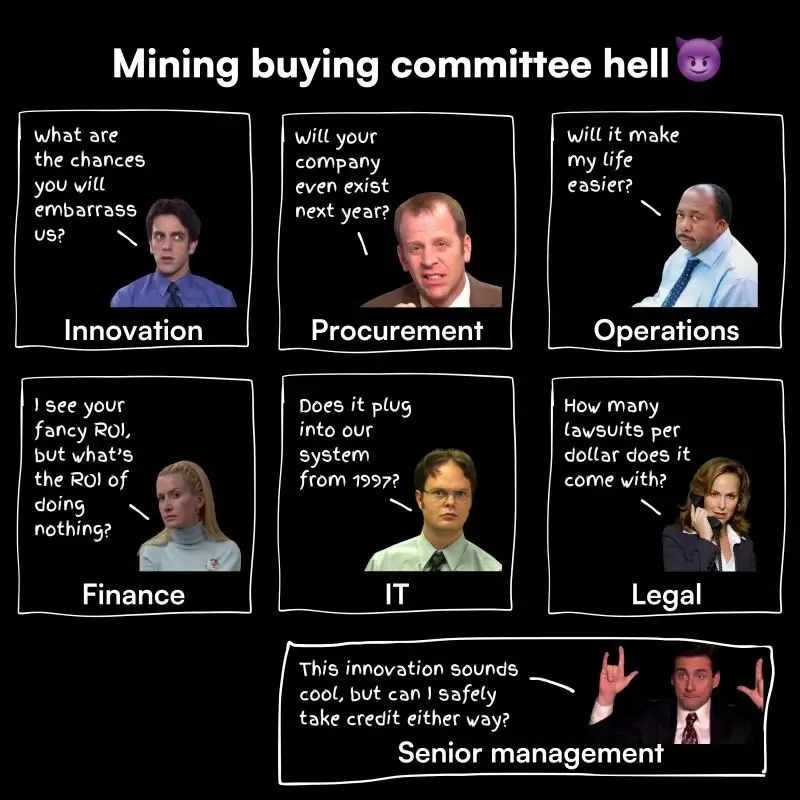
Plan for 12 months or more. Deals typically take between 6 and 48 months, because mines buy by committee: site managers, corporate teams, procurement, IT, finance and legal all weigh in, and budgets move on annual cycles. Marketing shortens the cycle by reaching each committee member before sales does. After Marina rebuilt the go-to-market strategy of an AI mining tech company, its average sales cycle fell from 14 to 8 months and it won a Tier-1 mining contract.
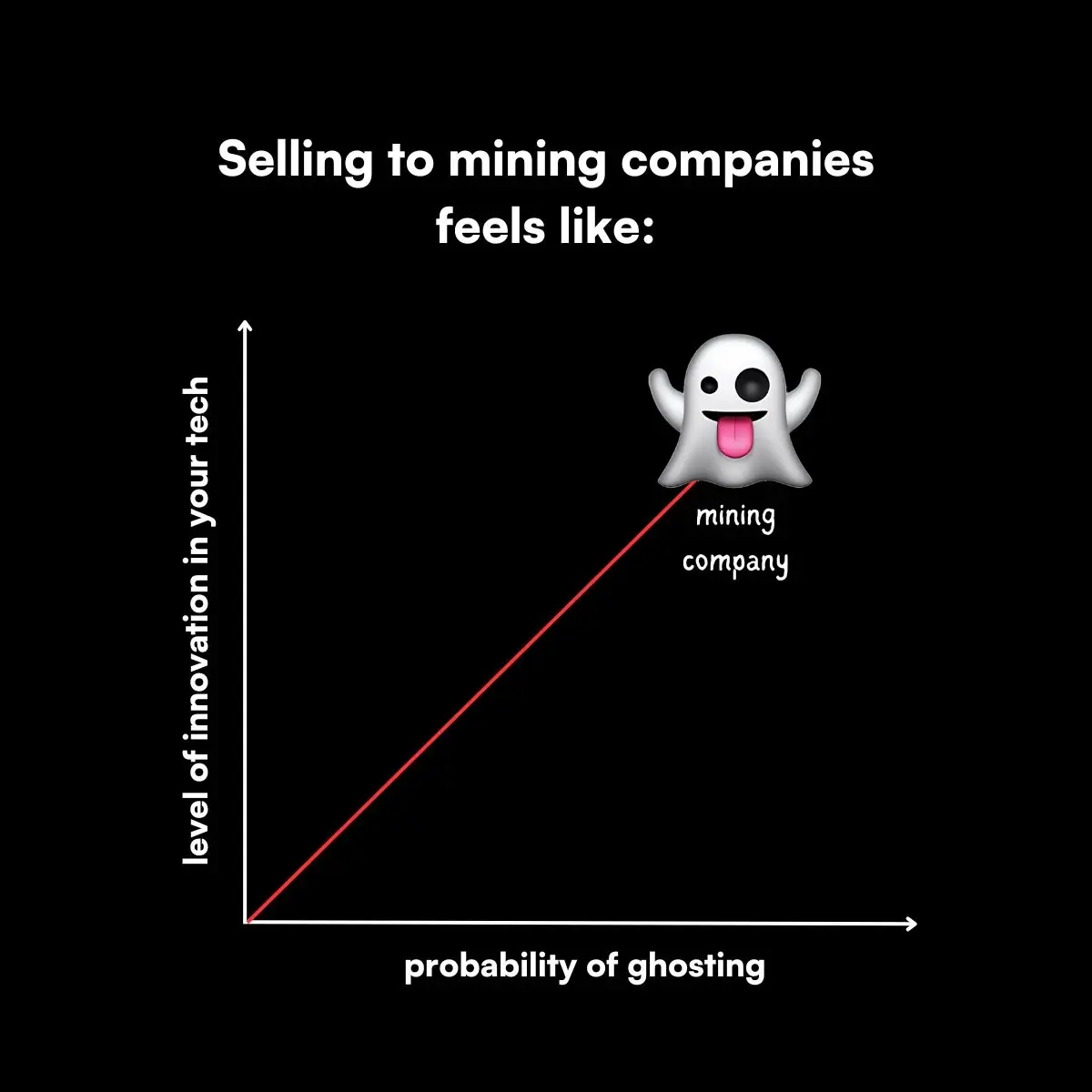
Why do mining companies ghost technology vendors?
Mostly because nobody wants to go first. A new tool that disrupts production can end a career, so "very interested" often means "not this quarter". Vendors improve their odds by charging something early (a pilot fee or a letter of intent), building support among several stakeholders instead of relying on one champion, pricing as an operating expense when a capital request would take a year to approve, and using adoption by peer mines as proof.
Which mining companies should a mining tech startup sell to first?
Mid-tier producers, in most cases. They have revenue, operational pressure and budgets, with less bureaucracy than the majors. Junior explorers rarely fund operational technology: IT typically takes 2 to 5% of their overhead, and 67% have no dedicated IT staff. Juniors make sense for products that help them raise capital or cost under $1,000 for an entry package. Majors become realistic once peer mines have adopted the product.
Why is technology adoption so slow in mining?
Mining's average adoption rate for digital technology runs at roughly 7%, and big data and machine learning barely register across the value chain. Buyers worry about compatibility with existing systems, retraining costs, the lack of room for trials and whether a project will look good in the annual report. Positioning, the choice of first customers and ease of integration decide adoption far more often than technical performance does.
How widely does the mineral exploration industry use AI?
Less than it thinks. The 2025 Mineral Exploration Tech Report, which Marina produced with VRIFY and Ipsos, found that more than half of exploration professionals use AI or machine learning tools at least occasionally, yet only 21% use them regularly. 85% believe they personally keep up with AI, while only 45% believe the industry does. Asked what would change minds, 60% chose peer case studies, ahead of pilot projects (48%) and better ROI data (44%).
Why are geologists skeptical of AI?
Their professional reputation depends on being right, and many have watched tools overpromise. In the VRIFY survey, 46% of respondents named geologists as the most skeptical group in exploration. Vendors who win them over deploy where the most experienced veterans work and show them something the technology caught and they missed, such as a high-grade sample that traditional logging failed to flag. One respected skeptic turned advocate persuades peers faster than any campaign.
Should mining tech startups offer free trials or proofs of concept?
Rarely. Years of free pilots have taught mining buyers to treat unpaid evaluations as an entitlement, and a successful proof of concept seldom leads to a site-wide rollout. Better options include a paid, scoped consulting engagement on site, a letter of intent, or a time-bound trial with success metrics and real effort from the buyer. A buyer who will commit nothing is a time sink.
How much should a mining technology company spend on marketing?
More than most do. B2B companies typically invest 6 to 12% of revenue in marketing, while most mining technology and service companies spend under 1%. Budget for senior strategy instead of intern-produced content, and give a marketer with a clear plan six to eight months before judging results. If an average client is worth $50,000, spending $2,000 to $5,000 to help a sales rep land that client sooner pays for itself.
Why do mining tech companies need marketing if sales run on relationships?
Mining buyers rarely search for solutions to problems they have not named, so vendors have to create demand before sales can capture it. Marina's 2025 review of 133 mining tech startups found average monthly website traffic of 3,576 visitors, with only 211 arriving from social media and 59 from paid channels. Sales-led companies also accumulate brand debt: reps over-promise to close deals, customers feel misled, and every later negotiation takes longer.
Does LinkedIn work for marketing to mining companies?
Yes, when founders and executives post instead of leaving it to the company page. Mining decision-makers mostly read without reacting, while engineers and geologists amplify posts into their feeds. Founder-led LinkedIn keeps a company in front of buyers between conferences such as PDAC and IMARC. Marina's own posts on mining technology have passed one million impressions, and ChatGPT and Perplexity have cited them as sources.
How should a mining technology company write its messaging?
In language a buyer can repeat in ten seconds. Most mining tech websites promise "innovative, data-driven, AI-powered solutions" and leave the reader guessing. Lead with the operational outcome, such as cost per tonne, downtime or risk, and describe what happens to a mine that does nothing. Tailor the message to each member of the buying committee, because operations, finance, procurement and IT each ask a different question.
What does a fractional CMO do for a mining technology company?
A fractional CMO leads marketing part-time, at senior level, without a full-time executive salary. For a mining tech company, Marina defines the ideal customer profile (who approves budgets and who influences them), repositions the product in operational terms and builds a demand engine, often founder-led LinkedIn. First contact moves online, so conferences become the place to close deals. The model suits companies with strong engineers and one or two sales reps but no marketing leader.
What results has Marina delivered?
The Mineral Exploration Tech Report she produced with VRIFY and Ipsos generated 135 downloads, each one a lead for VRIFY. An AI mining tech client cut its average sales cycle from 14 to 8 months, tripled engagement from decision-makers and signed a Tier-1 mining contract after she rebuilt its go-to-market strategy. Her LinkedIn writing on mining technology has passed one million impressions.